Creative Ways to Introduce Biology to Young Children
Biology is the science of living things, and children are surrounded by living things every single day. That makes it one of the easiest subjects to teach, yet most parents and educators still treat it as a classroom subject reserved for older kids. I think that’s a missed opportunity. Children between ages 3 and 8 are natural observers. They pick up worms, stare at bugs, and ask why leaves change color. The job of a good biology introduction is to meet that curiosity where it lives.
Here’s what I’ve found works: hands-on, sensory-driven experiences that connect biology to things children already care about.
Start With What’s Already in the Backyard
You do not need a lab. Your backyard, a local park, or even a window box gives you everything you need to start teaching real biology.
Spend 20 minutes on a “bug hunt” with a magnifying glass and a clear jar. Let kids capture a beetle or a roly-poly, examine it up close, count its legs, and release it. That one activity covers animal classification, observation skills, and the concept of habitat. It takes almost no preparation, and kids remember it for weeks.
Soil is another underused teaching tool. Dig up a patch of dirt and lay it on a tray. Children can sort what they find: rocks, roots, worms, decomposing leaves. You are teaching decomposition and ecosystems without ever using those words.
Grow Something Together
Growing a plant from seed is the single best biology project for young children. It is slow enough to teach patience and visual enough to show real scientific change.
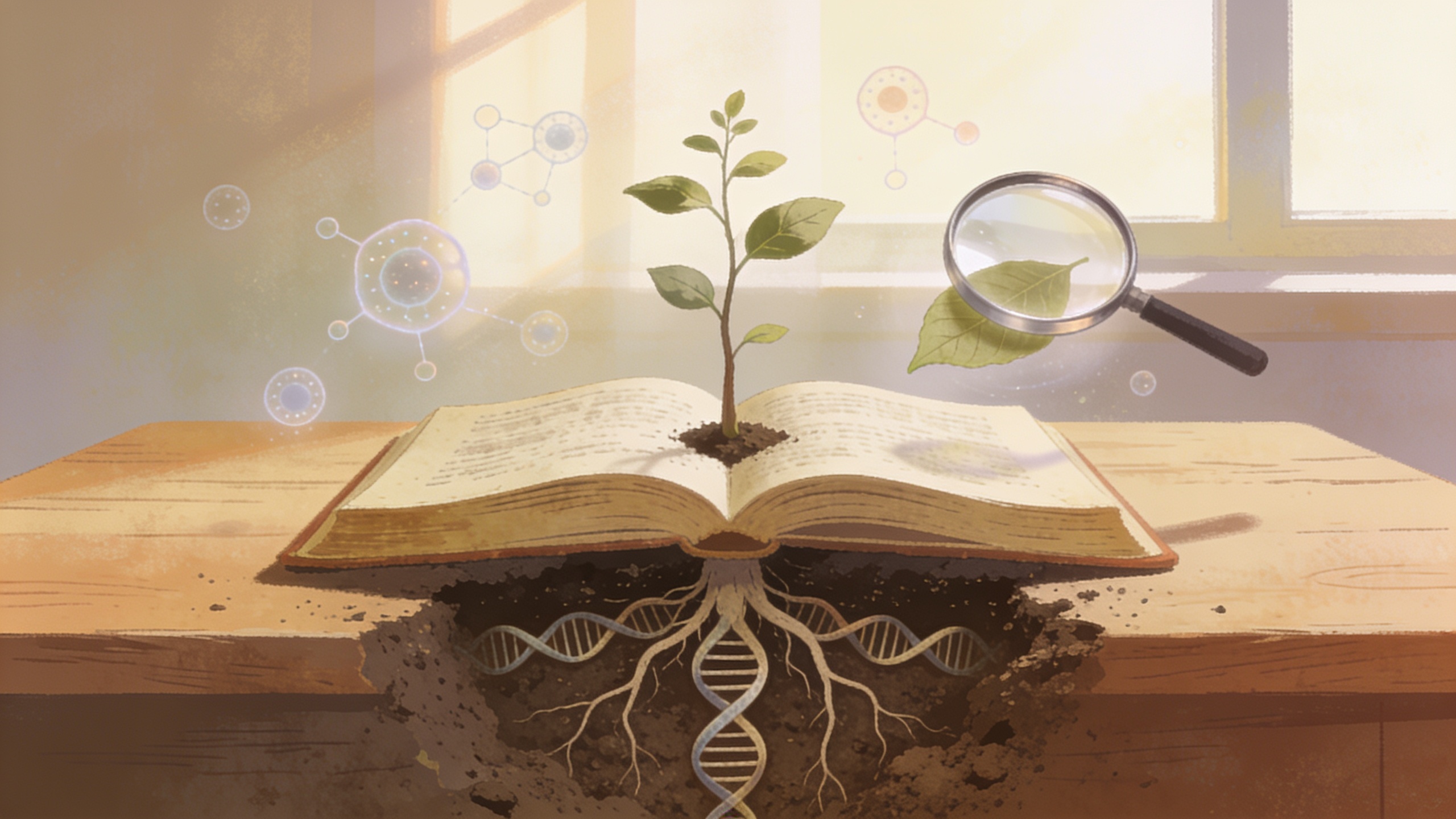
Beans are my top recommendation. They sprout fast (usually within 5 to 7 days), and their roots are visible if you press the seed against the inside of a clear glass jar filled with damp paper towels. Children can watch the root grow downward and the shoot grow upward, which is a perfect entry point for discussing photosynthesis and plant structure.
Keep a simple observation journal. Even a 4-year-old can draw what the seed looks like each day. Over three weeks, that journal becomes concrete evidence of biological change, and kids feel genuine ownership over the data.
Use Books and Specimens Together
Picture books are powerful, but they work best alongside real specimens. Read a book about frogs, then visit a pond. Read about insects, then examine a dead butterfly wing under a magnifying glass.
A few book and activity pairings I recommend:
- “Diary of a Worm” by Doreen Cronin, paired with a worm observation tray
- “National Audubon Society Field Guides” (children’s editions), paired with a backyard bird count
- “Jump Into Science: Dirt” by Steve Tomecek, paired with a soil sorting activity
- “The Tiny Seed” by Eric Carle, paired with a seed-planting session
- “Backyard Birds” by Jonathan Alderfer, paired with a homemade bird feeder project
The book anchors vocabulary and narrative. The specimen anchors sensory memory. Together, they create a much stronger learning experience than either approach alone.
Introduce Classification Early
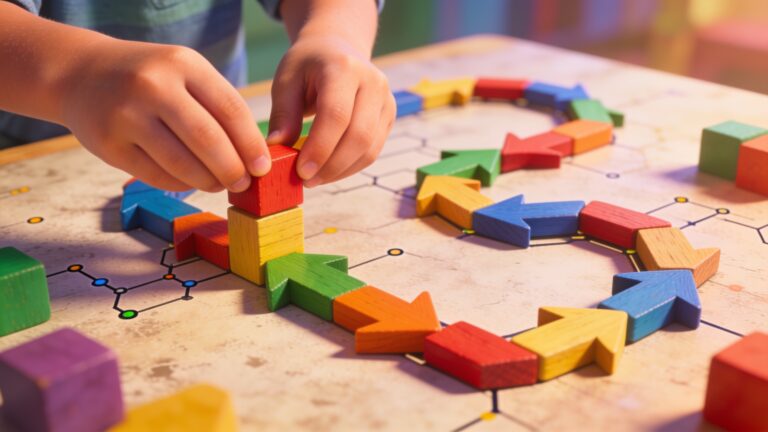
Taxonomy sounds intimidating, but sorting is something toddlers already do. You can teach basic biological classification through simple grouping games.
Collect 10 to 15 natural objects: a feather, a shell, a leaf, a rock, a piece of bark, a flower petal, an acorn, a dried bean. Ask children to sort them into two groups: things that were once alive, and things that were never alive. Then, within the “once alive” group, sort again by plant or animal origin.
That three-step process mirrors real taxonomic thinking. Kids are building a mental framework for classifying life without any abstract vocabulary getting in the way.
Simple Biology Activities by Age Group
Different ages need different entry points. Here is a practical breakdown:
| Age Range | Best Activity | Core Concept Covered |
|---|---|---|
| 3 to 4 years | Sensory bins with soil, leaves, and seeds | Living vs. non-living |
| 4 to 5 years | Bean-in-a-jar seed germination | Plant growth and structure |
| 5 to 6 years | Bug hunt with magnifying glass | Animal observation and habitat |
| 6 to 7 years | Backyard bird count and tally chart | Species identification and data |
| 7 to 8 years | Simple food web drawing | Ecosystems and energy flow |
These are starting points. A curious 4-year-old can handle food web conversations. An 8-year-old still gets a lot from a good bug hunt. Use the table as a guide, and follow the child’s interest.
Make the Human Body Relatable
Children are intensely interested in their own bodies. Use that. Trace a child’s outline on paper and have them draw in bones, then organs, placing a heart in the chest, lungs on either side, and a brain in the head.
Teach the pulse. Press two fingers to the inside of the wrist and count heartbeats for 15 seconds. Then do 20 jumping jacks and count again. That simple comparison teaches heart function, exercise, and basic measurement, all at once.
The human body gives you a built-in biology laboratory that goes everywhere the child goes.
Key Takeaways
Teaching biology to young children is less about formal instruction and more about directing attention. Nature already provides the content. Your job is to slow things down, hand a child a magnifying glass, and ask good questions.
The best biology lessons I have seen share a few qualities: they are hands-on, they connect to something the child already finds interesting, and they end with the child asking more questions than they started with. That last part is the real sign that it worked.
Start this week with one seed in a jar, one bug hunt, or one afternoon pressing leaves into a journal. Build from there. Children who learn to observe the living world carefully grow into adults who think carefully about science, and that is worth every bit of the effort.