The Difference Between STEM Education for Children and Adults
STEM learning looks radically different depending on whether you are eight years old or forty-two. The goals shift, the methods shift, and the psychology behind engagement shifts too. If you are a parent choosing programs for your child, an adult thinking about re-entering technical education, or an educator designing curriculum for mixed audiences, understanding those differences will save you enormous time and frustration.
Let me break down exactly what separates child STEM learning from adult STEM learning, and why those distinctions matter in practice.
How the Brain Changes Everything
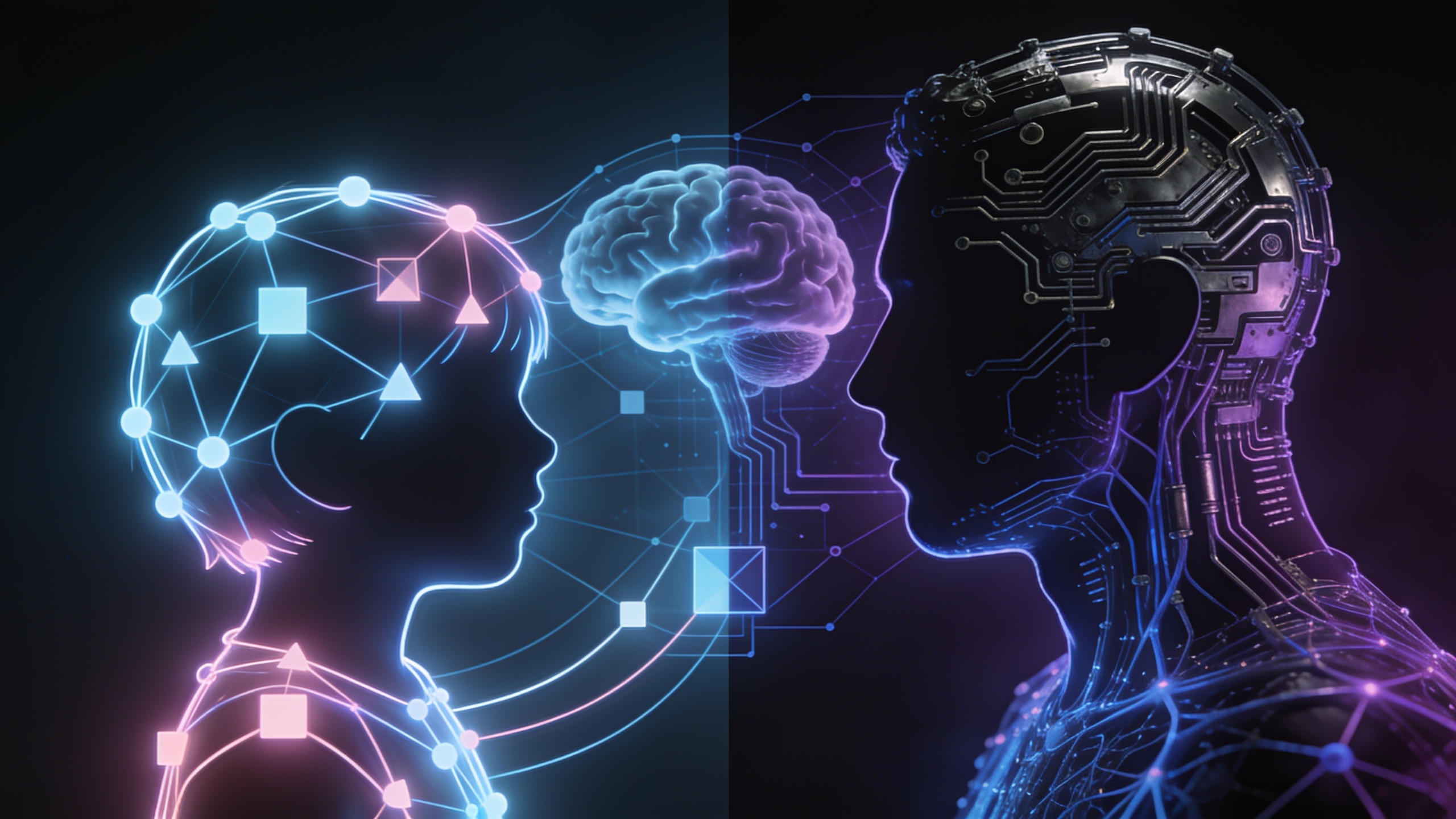
Children are in a state of active neural construction. From roughly ages 5 to 12, the brain is building foundational frameworks for pattern recognition, spatial reasoning, and abstract thought. This means a child learning to code with block-based tools like Scratch is doing something neurologically profound, because those early experiences literally shape how the brain organizes logic later in life.
Adults have a fully developed prefrontal cortex. That sounds like an advantage, and in many ways it is, but it also means adults learn through connection rather than construction. An adult absorbs new STEM concepts fastest when they anchor to existing knowledge. A nurse learning data analysis, for example, will grasp statistical concepts far faster if the examples use patient data rather than abstract number sets.
This single distinction explains why the same teaching strategy fails both groups when applied without modification.
Goals and Motivations
The motivations behind STEM learning are almost opposite across the two groups.
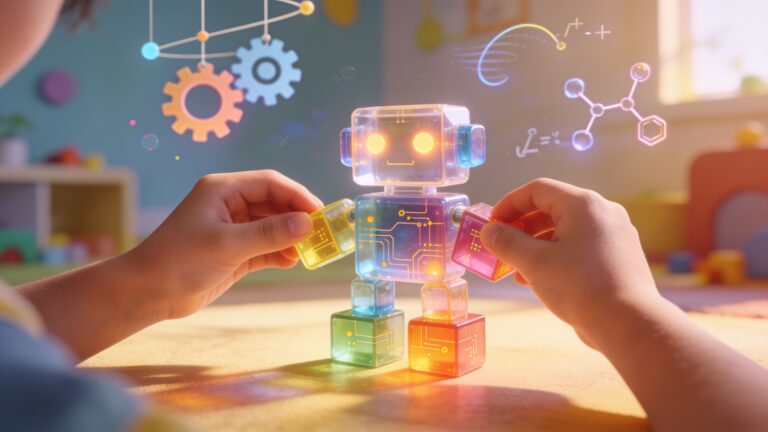
Children learn STEM through play and curiosity. Their goal is exploration. A well-designed child STEM activity uses open-ended challenges, rewards discovery, and lets kids reach wrong answers confidently without penalty. The process matters more than the product.
Adults learn STEM for outcomes. A 35-year-old enrolling in a data science bootcamp wants a career pivot. A small business owner learning basic electronics wants to fix equipment. Motivation is external, practical, and time-sensitive. Adults tolerate ambiguity less well in learning environments because irrelevance feels like wasted time.
Structural Differences in Curriculum Design
Here is a direct comparison of how STEM curriculum should look across the two groups:
| Design Element | Child STEM | Adult STEM |
|---|---|---|
| Session length | 20 to 45 minutes | 60 to 120 minutes |
| Feedback style | Immediate, visual, playful | Specific, measurable, practical |
| Abstraction level | Concrete and tactile first | Abstract concepts accepted early |
| Error handling | Errors framed as discovery | Errors analyzed for efficiency |
| Social structure | Collaborative play | Peer discussion and debate |
| Assessment | Portfolio and observation | Tests, projects, certifications |
These differences explain why adult learners placed in child-oriented STEM programs feel patronized, and why children placed in adult-oriented programs disengage within minutes.
The Role of Prior Knowledge
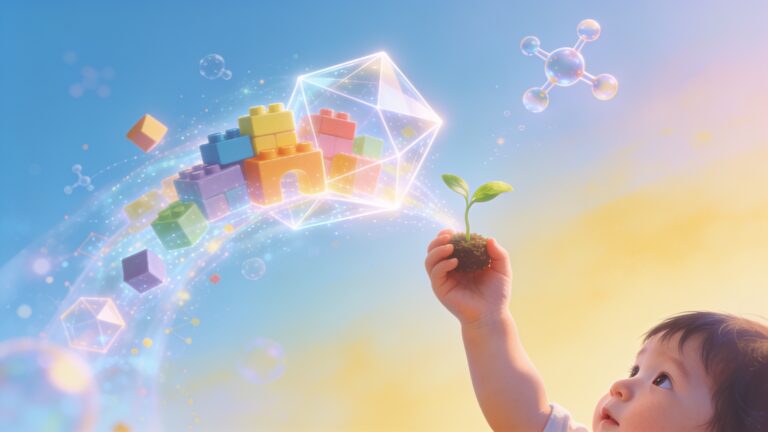
Children arrive at STEM education with limited prior knowledge, and that is actually an asset. They apply fewer preconceptions. A child building a simple circuit has zero expectation about how electricity “should” behave, so discovery feels natural and exciting.
Adults bring enormous prior knowledge, and that cuts two ways. On the positive side, they can assimilate new technical information rapidly when it maps onto existing mental models. A carpenter learning structural engineering already understands load, tension, and material behavior from hands-on experience. The theory clicks fast.
On the negative side, adults have fixed habits. If an adult has spent 20 years solving problems a certain way, retraining that approach takes deliberate effort. Children have no competing habit to unlearn.

Social and Emotional Dynamics
The emotional landscape of learning differs sharply between the two groups.
Children are willing to look silly. They will shout a wrong answer, laugh at their mistake, and try again immediately. That psychological flexibility is one of the most valuable assets in early STEM education. Good programs build on it by creating low-stakes, high-energy environments.
Adults carry fear of failure into every classroom. Research consistently shows that adult learners, particularly those returning to education after a long break, experience anxiety about appearing incompetent in front of peers. This suppresses participation. An adult STEM instructor who ignores this dynamic will watch a technically capable cohort go silent.
The best adult STEM programs address this directly. They establish psychological safety early, normalize struggle, and frame early exercises around problem-solving rather than performance.
What This Means for Parents and Educators
If you are choosing STEM activities for a child, prioritize programs that reward process over product. Look for these specific qualities:
- Open-ended challenges with multiple valid solutions
- Physical, hands-on materials, especially for children under 10
- Low time pressure and room for repetition
- Instructors who ask questions rather than deliver answers
- Room for creative deviation from the stated task
If you are an adult returning to STEM, or designing programs for adults, the approach flips. You want clear outcomes, relevant context, immediate application, and honest feedback. Pair new concepts with your existing expertise wherever possible.
The One Thing Both Groups Share
For all their differences, children and adults share one absolute requirement for effective STEM learning. Both need psychological safety and a sense of progress. A child who feels stupid in a math class will disengage. An adult who feels humiliated in a coding workshop will quit. The emotional foundation matters as much as the technical content.
Build in visible milestones. Make progress concrete. Give feedback that respects the learner’s intelligence regardless of age.
Key Takeaways
Child and adult STEM learning differ across six core dimensions: brain development stage, motivation type, prior knowledge, tolerance for abstraction, error response, and social dynamics. Treating these two groups as interchangeable produces poor outcomes for both.
Design programs with the specific learner in mind. If you are building curriculum, choose your audience first and let every other decision follow from that. If you are a learner yourself, find programs that match your developmental stage, your goals, and your existing knowledge base.
The gap between a child discovering how magnets work and an adult mastering machine learning is wide, but the underlying principle is identical. When the environment matches the learner, STEM education works.